


Creating a cozy and functional home workspace can make a big difference in your daily productivity and overall well-being. Whether you work remotely full-time or need a spot for occasional tasks, your workspace should be inviting and efficient. Here are some helpful tips to guide you in designing a space that feels comfortable and supports your work needs.
Choose the Right Location
Find a Quiet, Low-Traffic Spot
Start by selecting an area in your home that’s relatively quiet and free from distractions. Consider a spare room, a corner in your bedroom, or a nook in your living area. Ideally, your workspace should be away from household noise and foot traffic.
Prioritize Natural Light
Natural light can boost mood and energy, so try to position your desk near a window. If natural light isn’t an option, invest in good lighting that mimics daylight to reduce eye strain.
Invest in Comfortable and Supportive Furniture
Ergonomic Chair
A comfortable chair with good back support is key for long hours of work. Look for adjustable chairs that allow proper posture to minimize discomfort and prevent strain.
Functional Desk
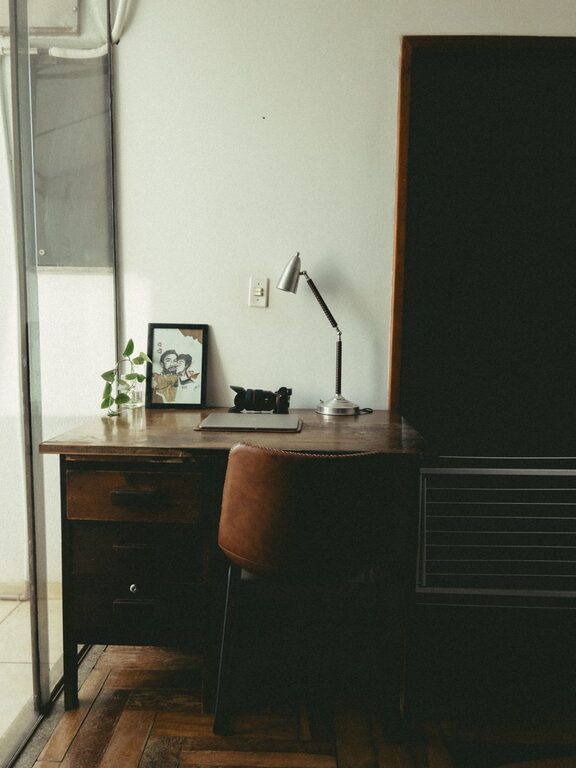
Choose a desk that fits your space and work style. If you have limited room, a compact desk or a wall-mounted folding desk can be helpful. Ensure there’s enough surface area for your computer, documents, and any other essentials.
Organize Your Workspace Effectively
Declutter Regularly
Keep only the items you use daily on your desk. A clutter-free space helps reduce stress and improve focus.
Use Storage Solutions
Incorporate shelves, drawers, or bins to keep supplies organized and within reach. Label storage containers to make it easier to find what you need quickly.
Cable Management
Tidy up cables with clips or cable sleeves to avoid a tangled mess. This not only looks better but also keeps your workspace safer.
Personalize Your Space
Add Cozy Elements
Include soft textiles like a throw blanket or cushions to create a warm atmosphere. A small rug can also add comfort and define the workspace area.
Incorporate Plants
Indoor plants improve air quality and add a touch of nature, which can help reduce stress and increase happiness.
Use Inspiring Decor
Display artwork, photographs, or motivational quotes that make you feel inspired and motivated without creating visual clutter.
Optimize Lighting
Layer Lighting
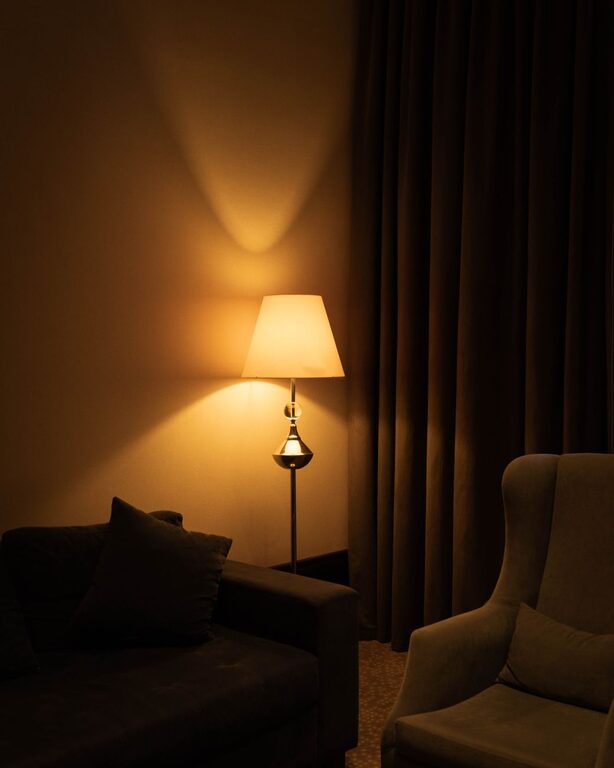
Combine ambient lighting with task lamps for flexibility. Desk lamps with adjustable brightness help prevent eye fatigue.
Avoid Glare
Position screens and lights to minimize glare. Use blinds or curtains if sunlight causes reflections on your computer monitor.
Maintain Good Air Quality and Comfort
Ventilation
Ensure your workspace is well-ventilated with fresh air. Open windows if possible or use air purifiers for cleaner air.
Temperature Control
Use fans, heaters, or humidifiers as needed to maintain a comfortable temperature and humidity level.
Create a Routine and Set Boundaries
Define Work Hours
Set clear start and end times for your workday. This helps maintain work-life balance and keeps your workspace from feeling like a constant reminder of work.
Take Breaks
Incorporate short breaks to stretch or move around. This reduces fatigue and keeps you energized.
Use Technology Wisely
Reliable Equipment
Invest in a dependable computer, fast internet, and quality peripherals like keyboards and mice to improve efficiency.
Minimize Distractions
Use apps or settings that block distracting websites during work hours. Keep your phone on silent or in another room if possible.
Keep It Flexible
Adapt for Different Tasks
If your work requires various activities, set up zones within your workspace. For example, have a dedicated area for computer work and another for paperwork or brainstorming.
Ergonomic Adjustments
Use adjustable monitors, standing desks, or laptop stands to switch positions and prevent stiffness.
—
Creating a cozy and functional home workspace takes a bit of planning, but the payoff is well worth the effort. By choosing the right location, investing in ergonomic furniture, organizing efficiently, and personalizing your space, you can build an environment that supports both comfort and productivity. Remember, the goal is a space where you feel motivated to work and relaxed enough to focus — making your home workspace a true asset to your daily routine.