



Creating an inviting and productive home office is essential for anyone working remotely or managing projects from home. Your workspace can influence how focused, motivated, and comfortable you feel throughout the day. Whether you have a dedicated room or a small corner, thoughtful design and organization can transform your office into a place you enjoy spending time in. Here are some practical tips to help you create a home office space that supports both comfort and productivity.
Choose the Right Location
Find a Quiet and Well-Lit Spot
The first step in setting up your home office is selecting the right location. Ideally, pick a quiet area where you can minimize distractions. A room with natural light is preferable, as it improves mood and reduces eye strain. If natural light is limited, ensure you have good artificial lighting that evenly illuminates your workspace.
Consider Privacy and Boundaries
If possible, choose a space away from high-traffic areas in your home. Establishing physical boundaries — like a door or partition — helps signal to others when you’re working and reduces interruptions. Setting these boundaries also helps you mentally switch between “work mode” and “personal time.”
Invest in Comfortable and Functional Furniture
Choose an Ergonomic Chair and Desk
Comfort is key when spending long hours working. Invest in an ergonomic chair that supports your lower back and encourages good posture. Your desk should be at a height that allows your elbows to rest comfortably at a 90-degree angle when typing. Adjustable desks that allow standing options can also help reduce fatigue.
Organize Your Desk Surface
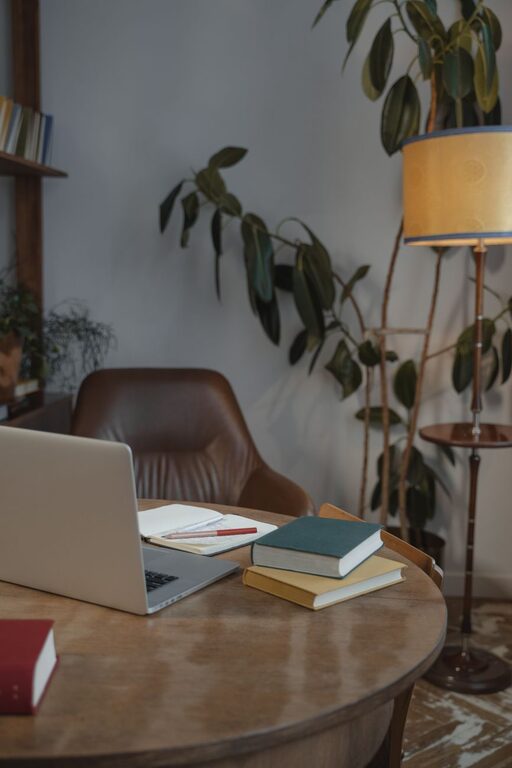
Keep your desk surface neat and clutter-free. Use organizers to hold pens, papers, and small tools. A clean desk helps reduce distractions and gives you more space to work efficiently.
Optimize Lighting and Color
Use Layered Lighting
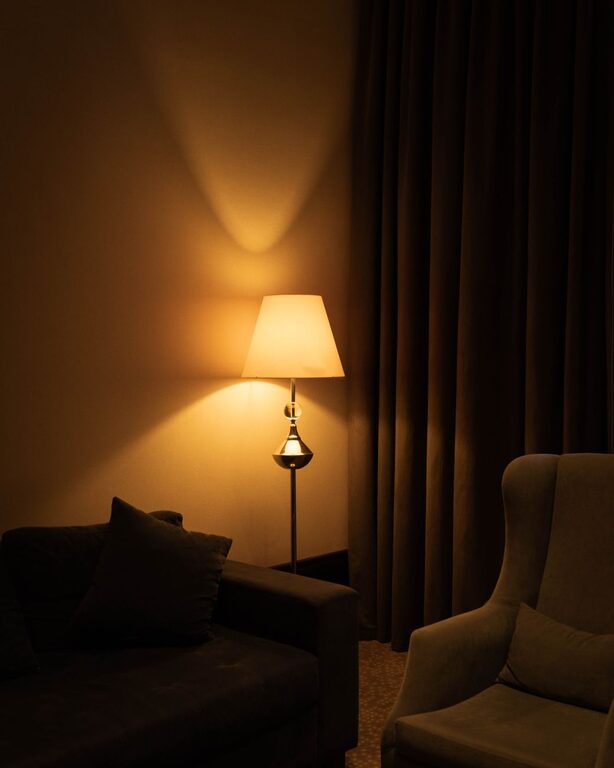
Beyond natural light, use multiple light sources to avoid harsh shadows or glare. A combination of overhead lighting, a desk lamp, and ambient lights can create a balanced atmosphere. Choose bulbs with a daylight spectrum to mimic natural light, which is easier on the eyes and keeps you alert.
Pick Calming and Inspiring Colors
Colors affect mood and productivity. Soft, neutral tones like light gray, beige, or white create a calm background. Add pops of color through accessories like cushions, artwork, or plants to inspire creativity without overwhelming your senses.
Keep Technology Efficient and Tidy
Invest in Reliable Equipment
Dependable technology is vital for productivity. Ensure your computer, printer, and internet connection meet your needs without frequent interruptions. Use wireless peripherals or cable management solutions to reduce clutter and keep cords organized.
Use Multiple Monitors if Possible
If your work involves multitasking or graphic tasks, consider adding a second monitor. This setup can boost efficiency by allowing you to view multiple documents and applications simultaneously.
Add Personal Touches and Comforts
Include Plants and Natural Elements
Adding plants can improve air quality and create a more inviting environment. Choose low-maintenance plants like succulents or snake plants, which also add a touch of nature and color to your desk or office shelves.
Decorate Mindfully
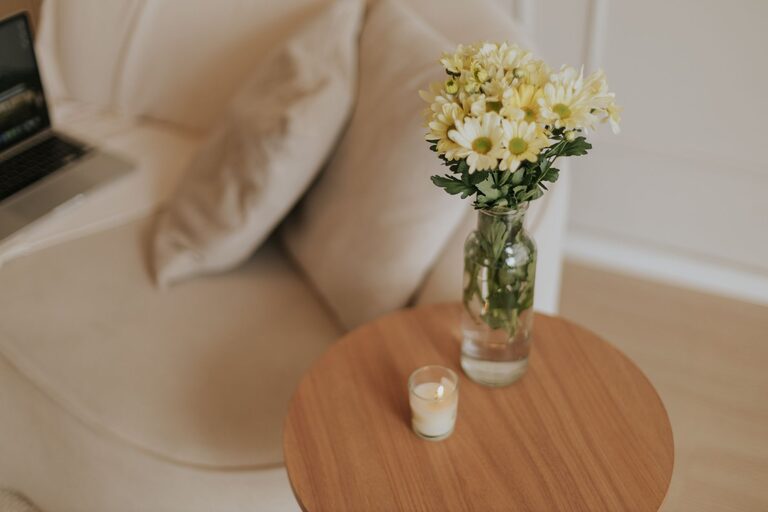
Display artwork, photos, or objects that motivate and calm you. Avoid overcrowding your space; instead, keep meaningful items within sight to personalize your office and make it feel welcoming.
Organize for Efficiency
Use Storage Solutions
Incorporate shelves, filing cabinets, or baskets to keep supplies and paperwork organized. Label storage containers to quickly find what you need. Keeping your workspace tidy helps minimize distractions and wasted time.
Develop a Routine for Tidying Up
At the end of each day, spend a few minutes organizing your desk. Clear out unnecessary papers, put away supplies, and prepare your workspace for the next day. This habit keeps your office consistently inviting and ready for focused work.
Manage Noise and Distractions
Sound-Proof Your Space
If noise is an issue, consider using noise-canceling headphones or adding rugs and curtains to absorb sound. White noise machines or apps can also help mask distracting background noises.
Set Clear Boundaries with Household Members
Communicate your working hours and needs to family or housemates. Setting clear expectations reduces interruptions and helps maintain a focused work environment.
Prioritize Well-being
Take Regular Breaks
Incorporate short breaks to stretch, move around, and rest your eyes. Using techniques like the Pomodoro method, which segments work into intervals, can enhance productivity and prevent burnout.
Maintain Good Air Quality
Keep your office well-ventilated by opening a window or using an air purifier. Fresh air supports concentration and overall health.
—
Creating an inviting and productive home office is about balancing comfort, function, and personal style. By choosing the right location, investing in ergonomic furniture, optimizing lighting, organizing your supplies, and incorporating a few personal touches, you can design a workspace that supports your best work. Remember, your home office should be a place where you feel motivated and at ease, helping you stay productive throughout your workday.